News, guides and updates from the Caywork team.
A single AI agent can do a surprising amount on its own: research a topic, draft a report, or answer a support ticket. But as tasks get bigger, one agent starts to juggle too much at once, and quality drops.
For most of the last decade, artificial intelligence in business meant one thing: a model that looked at data and returned a prediction, such as a fraud score, a product recommendation, or a demand forecast.
For most teams, the first question about an AI agent is whether it does the job well.
Choosing an AI agent platform used to mean picking a tool. In 2026, it means picking a model of work.
Running an AI agent someone else built is now as easy as clicking a button, and that convenience is exactly why it deserves a second look.
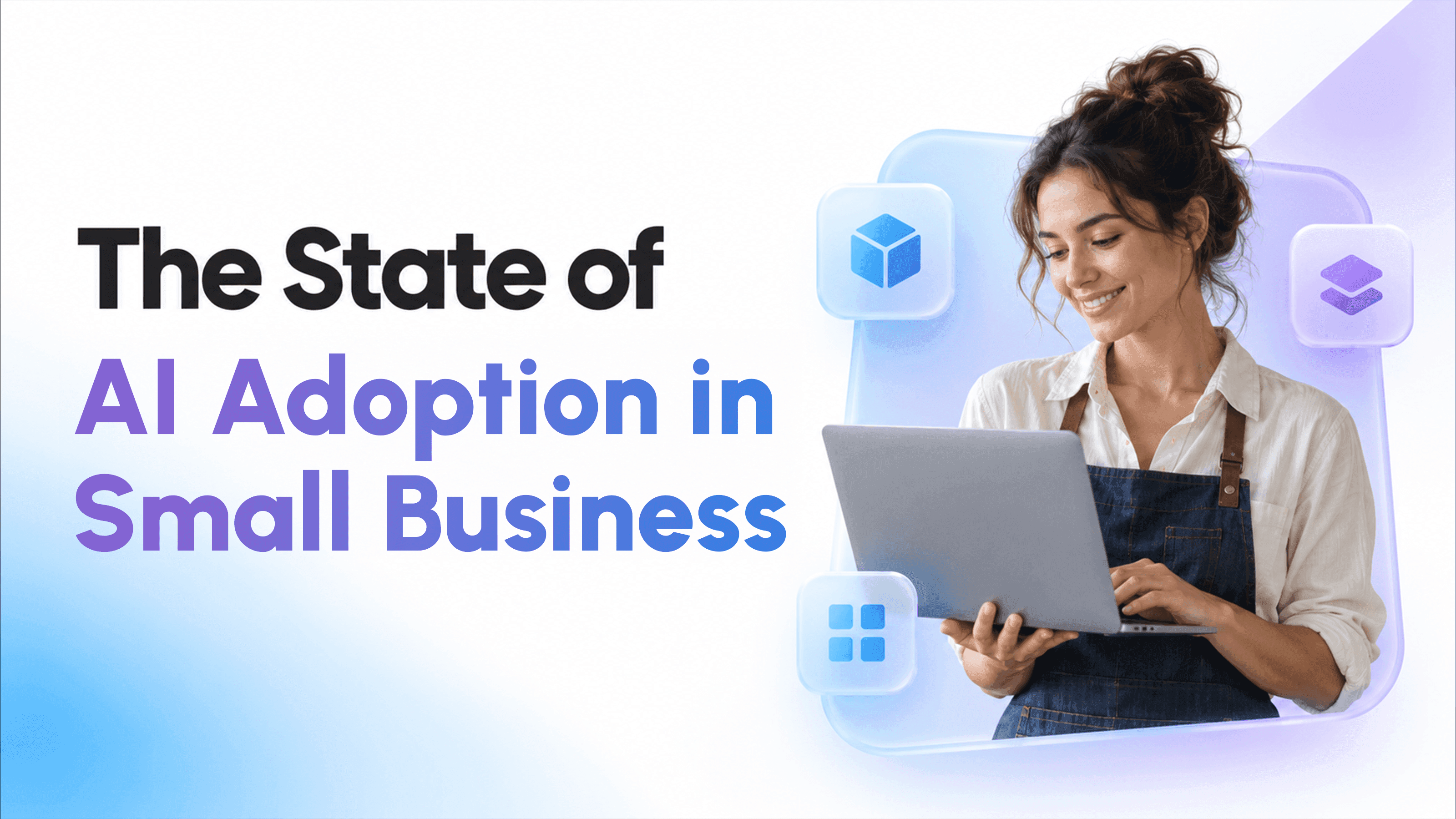
AI adoption in small businesses has passed the tipping point, but it has not yet gone deep.
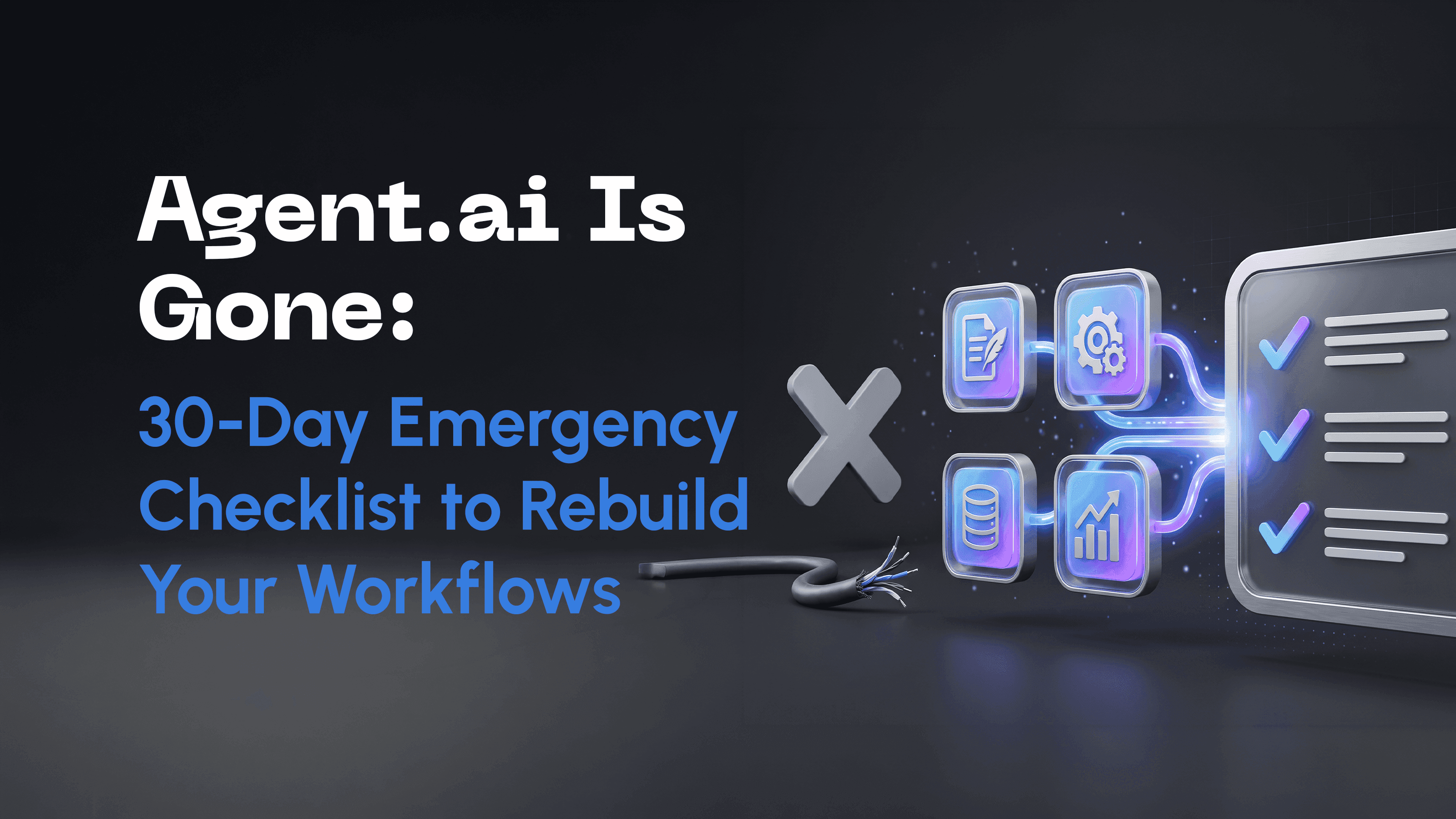
If you used agent.ai to run research, prospecting, content, or reporting tasks, you have probably noticed that the platform no longer works the way it did.
"Token maxing" is the AI industry's version of time-on-site and the psychology driving it is the same one social media perfected: unpredictable validation, sycophantic agreement, and engineered dependence. Backed by peer-reviewed research from Science, Nature, and Anthropic.